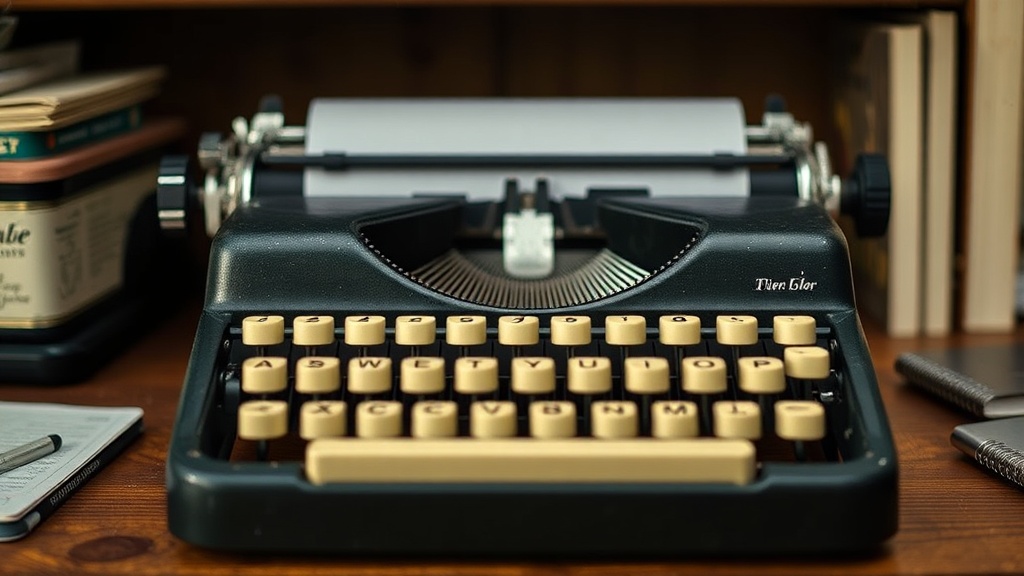
Cleaning Your Typewriter Ribbon Without Damకుaging the Carriage

You’re typing on a beautiful 1940s Royal Quiet De Luxe, but the letters are coming out faint, ghost-like, or even completely illegible. You assume the ribbon is just old, but the real culprit is often dried ink and accumulated debris sitting right on the fabric. If you try to clean it by simply scrubbing it or using harsh chemicals, you risk a permanent mistake: a damaged carriage or a ruined ribbon spool. This guide explains how to safely clean a typewriter ribbon and how to manage the mechanical parts around it without causing accidental damage to the delicate internal components.
Cleaning a ribbon isn't just about making the ink flow better. It's about maintaining the mechanical integrity of the machine itself. If you get liquid on the escapement or the typebars, you're looking at a much bigger headache than a simple ribbon replacement.
How Do I Clean a Typewriter Ribbon Safely?
The safest way to clean a typewriter ribbon is to use a specialized ribbon ink rejuvenator or a very light application of high-grade sewing machine oil on a lint-free cloth, but only if you are working on the ribbon itself and not the machine's moving parts.
If you’re dealing with a standard fabric ribbon, follow these steps to avoid a mess:
- Remove the ribbon: Unspool the ribbon from the spools entirely. Never try to clean a ribbon while it is still threaded through the machine.
- Test the solvent: Use a tiny amount of naphtha or a specialized cleaner on a corner of the fabric first. You need to ensure it doesn't dissolve the fabric fibers.
- The "Wick" Method: Instead of soaking the ribbon, use a small dropper to place a tiny amount of liquid onto the fabric. This allows the liquid to penetrate the fibers without a massive spill.
- Manual Rotation: Gently turn the spools by hand to distribute the liquid evenly. Do not use a motor or a high-speed tool.
Wait a few minutes for the liquid to evaporate before even thinking about threading it back into the machine. If the ribbon is still damp when you put it back in, that moisture can travel straight into the typebars or the carriage rails. That’s a recipe for a stuck key or a rusted mechanism.
One thing to keep in mind: if you are using a typewriter from the early 20th century, the ribbons are often much thinner and more fragile than the heavy-duty nylon versions you see today. Treat them with respect.
Can I Use Alcohol to Clean a Ribbon?
You should avoid using high concentrations of isopropyl alcohol directly on a typewriter ribbon because it can dry out the fabric and cause it to become brittle. While alcohol is great for cleaning metal parts, it’s often too aggressive for the textile elements of the ribbon. If the ribbon is made of silk or a delicate synthetic, the alcohol might actually strip away the remaining pigment or damage the structural integrity of the weave.
If you absolutely must use an alcohol-based cleaner to remove a stubborn ink stain from a non-mechanical part, use a 70% solution and a cotton swab. Never pour it. The goal is localized cleaning, not a soak. A single drop of spilled liquid can seep into the escapement mechanism, which is the part that controls the movement of the carriage with every keystroke. If that gets gummy or rusted, your typing experience will be ruined.
Actually, most professional restorers will tell you that if a ribbon is dry, it's better to just buy a new one. A fresh roll of Orion or Hermes quality ribbon is much cheaper than the time and effort required to "revive" a dead one. It’s often more of a hobbyist's vanity project than a practical maintenance task.
Common Ribbon Types and Their Needs
| Ribbon Type | Best Cleaning Method | Risk Level | Recommendation |
|---|---|---|---|
| Silk/Cotton (Vintage) | Minimal Rejuvenator | High | Replace rather than clean. |
| Nylon (Modern) | Dry brush/Compressed air | Low | Keep it dry; avoid liquids. |
| Fabric-Based | Controlled Ink Dropping | Medium | Use sparingly. |
Most modern "replacement" ribbons are actually much more durable than the originals. If you're working on a machine that's a bit older, stick to the basics. Don't overthink it.
How Do I Prevent Ribbon Ink from Damaging the Carriage?
To prevent ink or cleaning fluids from damaging the carriage, you must always remove the ribbon from the machine before any cleaning or heavy-duty maintenance occurs. The carriage is a precision instrument made of many moving parts—gears, levers, and rails—that do not react well to liquid or oily residue. If you are cleaning the ribbon, do it on a separate workbench, far away from the typewriter itself.
Here is a checklist to ensure your machine stays safe during the process:
- Always Unthread: Never attempt to "clean" a ribbon while it is threaded through the guide dogs or the vibrator.
- Use a Barrier: If you are working near the machine, place a clean, dry towel underneath the carriage to catch any accidental drips.
- Watch the Vibrator: The ribbon vibrator is the part that lifts the ribbon up to meet the typebars. It is a delicate piece of metal. If you get heavy cleaning fluids on it, it might stick or fail to lift properly.
- Avoid Aerosols: Never use a spray-on cleaner near the machine. The mist can settle on the typebars and cause them to stick.
It’s a common mistake to think that a little bit of oil or liquid won't hurt. But remember, typewriters are essentially mechanical computers. They rely on friction and precise movement. Any foreign substance—be it ink, oil, or cleaning solvent—can change the tension or the weight of the moving parts. If you're a serious collector, you know that precision is everything.
If you notice the ribbon is leaving a messy residue on the keys, it’s usually because the ink is too thin or the ribbon is old and "leaking." In that case, the problem isn't the ribbon's cleanliness; it's the ribbon's quality. A high-quality ribbon will provide a crisp, consistent strike without the mess.
If you're ever in doubt, just stop. It is much better to spend $5 on a new ribbon than $500 on a professional repair for a damaged carriage. It's a simple rule of thumb that every collector should live by.
Steps
- 1
Remove the old ribbon spools
- 2
Inspect the ribbon vibrator and guide rails
- 3
Clean the typebars with a soft brush
- 4
Install a fresh ink-saturated ribbon