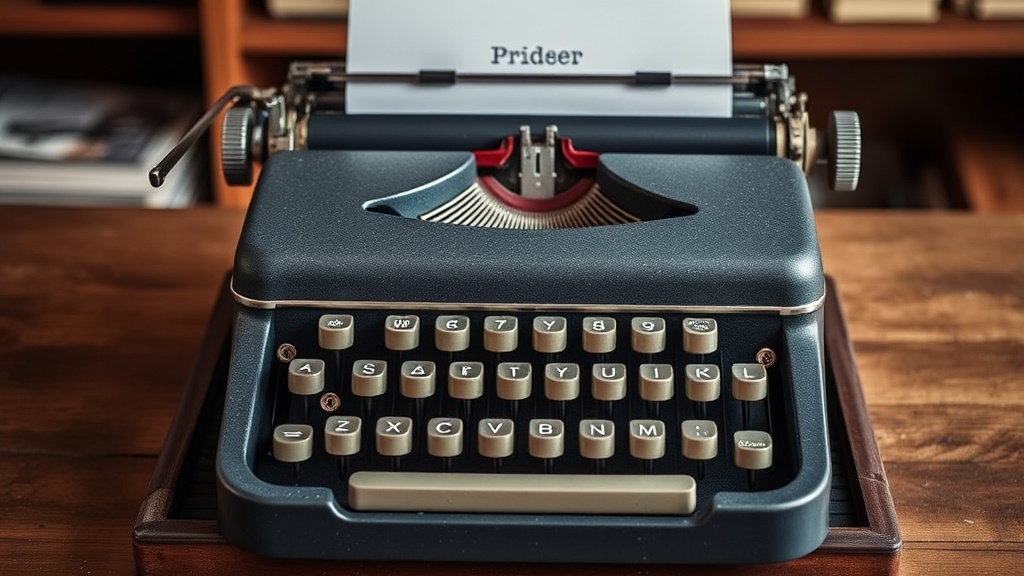
How to Clean and Maintain Your Vintage Typewriter

A vintage typewriter isn't just a display piece—it's a machine that can last another century with proper care. This guide walks through the entire cleaning and maintenance process, from the initial inspection to the final ribbon installation. Whether you've just acquired your first Hermes 3000 or you're nursing a neglected Smith-Corona back to life, these steps will help preserve both function and value.
What Tools Do You Need to Clean a Vintage Typewriter?
The short answer: less than you'd think. Most typewriter maintenance requires basic household items and a few specialty products that won't break the bank.
Start with a soft-bristled toothbrush (an old one works perfectly), cotton swabs, lint-free microfiber cloths, and a can of compressed air. For degreasing, Scotch-Brite soap pads cut into small pieces handle rust spots surprisingly well. You'll also want mineral spirits (odorless if you're working indoors) and a light machine oil—Liquid Wrench makes a penetrating oil that collectors trust for frozen mechanisms.
The one splurge worth making: a proper typewriter brush. The Royal Typewriter Brush—yes, they still make them—has bristles stiff enough to dislodge decades of dust but won't scratch painted surfaces. Avoid steel wool entirely. It leaves microscopic scratches that collect dirt and ruin original finishes.
Here's the thing about solvents: not all are safe. Never use WD-40 as a lubricant—it gums up over time and attracts dust like a magnet. For deep cleaning, many Edmonton collectors swear by Naphtha (available at most hardware stores), which evaporates clean without residue. Just work in a ventilated space—it'll clear your sinuses in ways you won't enjoy.
How Do You Clean a Typewriter Without Damaging It?
Patience wins. Rushing the process destroys decals, strips paint, and snaps fragile springs that haven't moved in sixty years.
Start with the exterior. Wipe down all painted surfaces with a barely-damp cloth—just water, no soap. Original typewriter paint (usually enamel) cleans up remarkably well, but it's also thin. Aggressive scrubbing removes pinstriping and model badges faster than you'd believe.
Next, flip the machine over. Those decades of dust? They collect everywhere. Use compressed air to blow out the segment (the semi-circular area where type bars rest), the escapement mechanism, and under the carriage. Work outside if possible—what comes out might include dead insects, rust flakes, and the occasional paper clip from 1972.
The type slugs (the actual letters that hit paper) need individual attention. Dip a toothbrush in mineral spirits and scrub each character face. Old ribbon ink builds up into a hard crust that affects impression quality. For stubborn residue, a Brass wire brush—brass only, never steel—cleans without damaging the metal.
Worth noting: some collectors never clean the platen (the rubber roller). A slightly hardened platen actually produces crisper type impressions. If yours is rock-hard or visibly cracked, that's different—replacement platens run $80-150 from specialists like TypewriterPlaten.com. But a little surface glazing? That's character.
The Segment Cleaning Method That Actually Works
The segment—that semicircular comb where type bars pivot—is where most typewriters fail. Gunk accumulates. Bars stick. The machine becomes frustrating to use.
Mix one part mineral spirits with one part sewing machine oil. Apply sparingly with a cotton swab to each pivot point. Work the type bars by hand—gently—until they move freely. This takes time. For a machine that's been sitting since the Nixon administration, expect to spend an hour here. The catch? Too much solvent dissolves old lubricants without replacing them, leaving metal-on-metal contact that wears quickly.
After cleaning, a single drop of light oil on each pivot point prevents future sticking. Wipe away excess—oil attracts dust, and you'll be right back where you started in six months.
How Often Should You Service a Working Typewriter?
For machines in regular use, a full cleaning every two years maintains optimal performance. Light users—those typing occasional letters or display pieces—can stretch this to five years. The real answer depends on environment: Edmonton's dry winters are actually kind to typewriters (low humidity means less rust), but dusty storage spaces or humid basements accelerate problems.
Here's a maintenance schedule that works for most collectors:
| Task | Frequency | Time Required |
|---|---|---|
| Exterior dusting | Monthly | 5 minutes |
| Platen cleaning (isopropyl alcohol) | Quarterly | 10 minutes |
| Ribbon replacement | Every 6-12 months | 5 minutes |
| Segment lubrication check | Annually | 30 minutes |
| Full disassembly cleaning | Every 2-5 years | 4-8 hours |
The annual check matters more than the deep clean. Once a year—January works well—run through the full character set. Sticky keys get a drop of oil. Slow return springs get inspected. Catching problems early prevents the catastrophic failures that require professional intervention.
Ribbons: The Part Everyone Forgets
Old ribbons destroy type slugs. The fabric dries out, the ink hardens, and suddenly you're hammering metal against metal with a dried husk in between. Not good.
Standard half-inch nylon ribbons fit most post-1930 machines. Universal Typewriter Ribbon—available through Amazon or specialty dealers like MyTypewriter.com—works in everything from a 1950s Underwood to a 1970s Brother. For carbon copies (yes, people still make them), fabric ribbons hold more ink but require more pressure.
Install the ribbon with the eyelets facing up—there's usually a small metal piece that catches them to prevent over-winding. Wind past the eyelet before closing the cover. A ribbon installed backward types red instead of black (or nothing at all), and you'll wonder what's wrong with your machine for twenty minutes before checking. Not that anyone's done that. Repeatedly.
Storage Tips for Preserving Value
How you store a typewriter matters as much as how you clean it. These machines survived decades—sometimes in attics, sometimes in office closets—but proper storage keeps them functional and protects the investment.
Keep typewriters away from direct sunlight. UV fades paint and yellows keys (especially the cream-colored ones popular in the 1950s). A dust cover helps—a simple pillowcase works in a pinch, though fitted covers from The Typewriter Revolution (Richard Polt's excellent resource) look sharper and keep dust out of the mechanism.
That said, don't seal them in plastic. Trapped moisture causes rust faster than exposure to air. If you're storing long-term in a basement, toss a few silica gel packets in the case. Check on the machine every few months—rust spreads fast when it starts.
Never store a typewriter with the carriage locked at one extreme. The mainspring (what powers the carriage return) stays under tension, and after decades, these do fatigue. Center the carriage before storage. Most machines have a carriage lock—usually a lever on the right side—engage it for transport but not for long-term storage.
When to Call a Professional
Some repairs exceed home maintenance. Broken mainsprings, bent type bars, and missing parts require specialized tools and expertise. The Edmonton Typewriter Company (if you're local) handles restorations, as do mail-in services like Phoenix Typewriter in Arizona.
Expect to pay $150-400 for professional cleaning and adjustment. A full restoration—new platen, paint touch-up, mechanical rebuild—runs $600-1,200. For common machines like the Smith-Corona Sterling or Royal Quiet De Luxe, that's often more than the machine's market value. For rare specimens—a Hermes 3000 in seafoam green, a Olivetti Valentine with intact case—the investment preserves something irreplaceable.
"The best maintenance is use. A typewriter that sits idle for years develops problems that working machines never see. Type a page a month—even gibberish—and the mechanism stays happy."
Your vintage typewriter connects you to a different way of creating. The mechanical precision, the tactile feedback, the permanence of ink on paper—these experiences reward the effort of proper care. Clean it well, maintain it regularly, and it'll outlast whatever computer you're reading this on.
Steps
- 1
Gather Your Cleaning Supplies and Tools
- 2
Remove Dust and Debris from the Mechanism
- 3
Clean the Type Slugs and Ribbon Vibrator