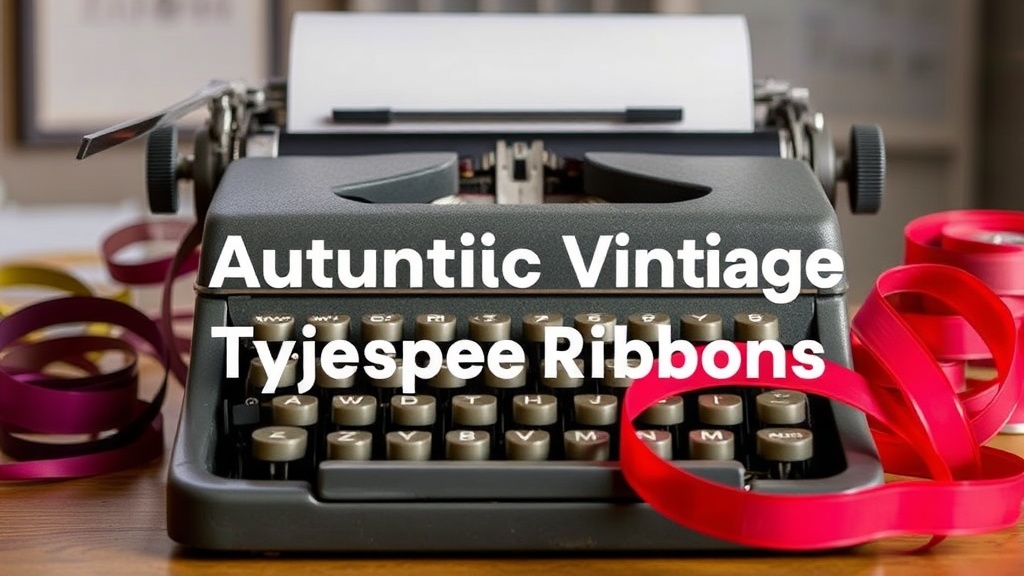
Identifying Authentic Vintage Typewriter Ribbons

What Makes a Typewriter Ribbon Truly Vintage?
You'll learn how to distinguish between modern synthetic replacements and the authentic silk or cotton ribbons that collectors crave. Understanding the material composition, the way ink behaves on the page, and the subtle signs of aging will help you avoid wasting money on ribbons that don't suit your specific machine. This matters because using the wrong material can lead to more than just poor text quality; it can actually impact the long-term health of your typebars and carriage mechanism.
When you look at a ribbon sitting in a shop or an online auction, the first thing to check is the material. Historically, ribbons were made from natural fibers like silk or high-quality cotton. These natural materials have a specific way of absorbing ink and a distinct texture that modern polyester-based ribbons can't replicate. If you're a purist, you'll notice that silk ribbons often provide a sharper, more crisp strike, whereas many modern nylon versions feel a bit "mushy" or inconsistent.
The ink itself is another giveaway. Vintage ink formulas were often oil-based, which creates a very specific type of scent and a particular way the liquid clings to the fiber. If you open a package and it smells more like a chemical factory than a piece of history, you're likely looking at a modern reproduction. This distinction is important for those of us who treat our typewriters as more than just office tools—they're pieces of mechanical history.
Why Does Ribbon Color Matter for Collectors?
Color isn't just about aesthetics; it's about the era and the machine's intended use. In the early 20th century, you'd often see much more variety in ribbon colors. While black was the standard for business, you might find vintage machines that originally ran on red or even purple ribbons for specific decorative or professional purposes. If you find a vintage-style ribbon in a color like deep blue or forest green, it's worth investigating whether it's a true period piece or a modern novelty.
The density of the ink color also changes based on the age of the ribbon. An old, un-opened roll of cotton ribbon will often have a slightly different saturation level than a brand-new, mass-produced nylon version. For those of us who enjoy the tactile feel of typing, the way the ink interacts with the paper is a huge part of the experience. A well-preserved vintage ribbon will produce a strike that feels grounded and intentional, rather than thin or faded.
If you want to see more about the history of office technology and how these materials evolved, the Computer History Museum provides excellent context on the evolution of document production. You'll see how the shift from heavy mechanical systems to more streamlined-looking tools changed the way we thought about consumables like ink and ribbon.
How Can You Spot a Fake or Low-Quality Ribbon?
Don't be fooled by shiny, perfectly uniform rolls. A high-quality vintage or high-end modern replacement should have a certain weight to it. If the ribbon feels incredibly lightweight or looks almost translucent when held up to the light, it's likely a cheap synthetic. Many modern "budget" ribbons use a thin polyester thread that doesn't hold ink well, leading to that frustrating experience where the letters look faint even when the machine is brand new.
Look closely at the edges of the ribbon. Authentic cotton and silk ribbons often have slightly more irregular edges compared to the perfectly straight, laser-cut edges of modern synthetic versions. It's a small detail, but for a collector, these nuances are everything. You can also check the spool itself. Vintage spools are often made of heavier materials or have specific winding patterns that modern plastic spools just don't match.
"A true vintage experience is found in the details—the smell of the ink, the texture of the fiber, and the way the strike hits the page."
If you're looking for reliable information on the technical specifications of various typewriter models, the Typewriter Collection is a wonderful resource for understanding how different machines interact with their consumables. Every machine has its own "personality," and the ribbon you choose can either highlight or hide that personality.
One common mistake is assuming that any ribbon that fits will work perfectly. While many modern ribbons are universal, the tension can vary. A ribbon that's too tight might put unnecessary strain on your typewriter's motor or manual carriage movement. This is why it's worth doing a bit of research before you hit the "buy" button on an auction site. You want to ensure the material matches the era and the mechanical requirements of your machine.
When you're out hunting for these items, keep an eye out for the weight and the scent. These are your best tools for a quick, on-site evaluation. A truly great ribbon should make you feel like you're stepping back in time, not like you're using a piece of modern office supplies. It's about preserving that connection to the past, one keystroke at a time.